

 ไทย
ไทยProgress Toward the 2030 Sustainability Goals
The Company is committed to operating in alignment with its established targets. A summary of the operational progress in 2025 compared with the 2030 targets is presented as follows.

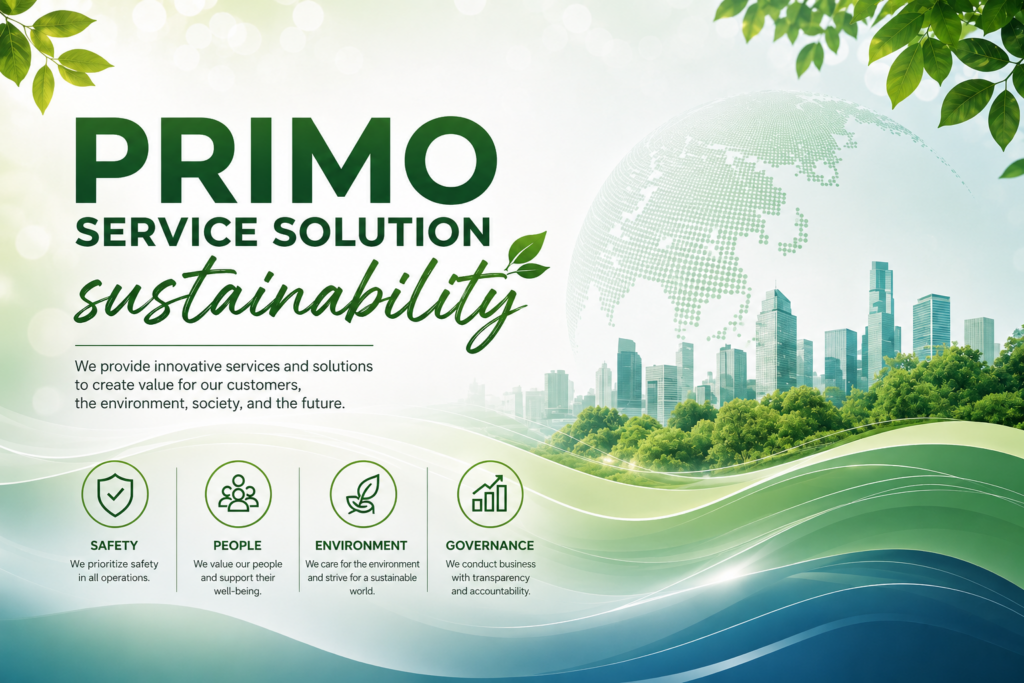
The Company is committed to operating in alignment with its established targets. A summary of the operational progress in 2025 compared with the 2030 targets is presented as follows.












Primo Service Solutions Public Company Limited and its subsidiaries are committed to delivering high-quality services and developing products that meet customer needs. The Company conducts its business under the principles of good corporate governance and in alignment with the sustainability development framework of the Stock Exchange of Thailand (SET). Recognizing the importance of responsible business practices, the Company integrates economic, social, environmental, and governance considerations into its operations while maintaining accountability to all stakeholders.
The Company aims to continuously enhance the quality of its products and services, foster innovation and technology to improve operational efficiency and reduce environmental impacts, and promote the responsible use of natural resources. The Company is also committed to effective energy and water management, social responsibility, and transparent business practices in accordance with good corporate governance principles.
Furthermore, the Company strives to align its operations with the United Nations Sustainable Development Goals (UN SDGs) to strengthen its competitiveness, adapt to future changes and challenges, and achieve balanced and sustainable growth across economic, social, and environmental dimensions.
The key elements of the Company’s sustainability management approach are as follows:
The Company is committed to conducting its business operations in parallel with responsible environmental stewardship and sustainable use of natural resources. It promotes the use of renewable energy and ensures strict compliance with environmental laws and regulations in accordance with international standards and industry best practices across all business units. Environmental considerations are integrated into every stage of operations to maximize resource efficiency and minimize environmental impacts. The Company assesses environmental impacts throughout the entire value chain, from upstream, midstream, to downstream activities, covering operational planning, service delivery, resource utilization, waste management, treatment and disposal of pollutants, as well as new project development and business expansion. Environmental considerations are also incorporated into due diligence processes for mergers and acquisitions. In addition, the Company collaborates with local communities to safeguard the surrounding environment, reduce greenhouse gas (GHG) emissions, and mitigate other environmental impacts arising from business activities. The Company also encourages suppliers and business partners to adopt these principles to jointly create long-term value and sustainability for all stakeholders.
Guidelines for the Management of Natural Resources, Energy, Waste, and the Environment
Environmental Goals and Performance
Across all operational processes, the Company strictly complies with applicable laws, regulations, and relevant environmental standards to minimize environmental impacts. The Company has received strong cooperation from all relevant stakeholders in driving sustainable business development while prioritizing environmental stewardship.
The Company is committed to conducting its business with integrity and ethical principles while upholding its responsibilities to society and all stakeholder groups in accordance with the principles of good corporate governance and the Company’s Code of Conduct. With regard to human rights protection, the Company complies with applicable laws and internationally recognized standards to ensure that its business operations are free from human rights violations. The Board of Directors has therefore established this Human Rights Policy and related practices to prevent human rights violations across all direct business activities, as well as among business partners throughout the value chain and joint venture operations.
The Company’s Human Rights Policy is developed based on internationally recognized human rights frameworks and principles, including the Universal Declaration of Human Rights (UDHR), the International Labour Organization (ILO) Declaration on Fundamental Principles and Rights at Work, and the United Nations Guiding Principles on Business and Human Rights (UNGPs).
The Company recognizes the importance of respecting human rights in all aspects of its operations. Directors, executives, and employees at all levels are expected to promote organizational values and a corporate culture that respects human rights by adhering to the following principles:
• Treat all individuals equally and fairly with respect for human dignity, without discrimination based on origin, race, nationality, gender, age, skin color, religion, political or personal beliefs, physical condition, social status, family background, or any other differences.
• Conduct business activities in a manner that avoids causing or contributing, either directly or indirectly, to human rights violations.
• Support and respect the protection of human rights, ensure that the Company’s operations are not involved in human rights abuses, and safeguard the rights of employees and stakeholders, including customers, employees, business partners, and vulnerable groups.
• Communicate and promote understanding of human rights principles among all parties involved throughout the value chain.
• Regularly monitor, review, and assess human rights risks and impacts, and establish appropriate measures for effective risk management.
• Maintain effective grievance management and information management systems, while continuously enhancing complaint and whistleblowing channels related to human rights concerns.
• Encourage stakeholder participation and contribute to strengthening communities and society in order to improve quality of life.
• Promote activities that generate long-term benefits for society, communities, and the environment in alignment with the Company’s business operations.
• Conserve and restore environmental quality to support ecological balance and sustainable development.
The Company is committed to upholding the principles of good corporate governance through fairness, equality, and transparency in its operations and disclosures. The Company also emphasizes effective risk management to adapt to changing circumstances and competitive environments while adhering to sustainable development principles and sound corporate governance practices.
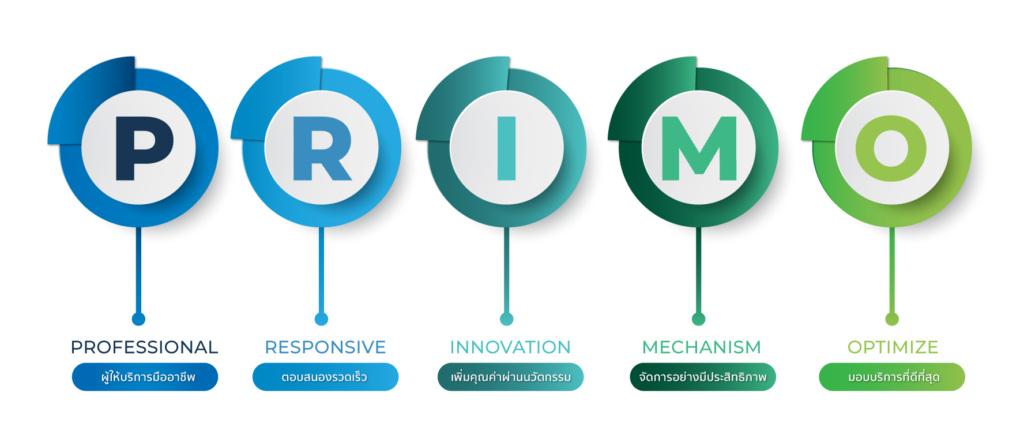
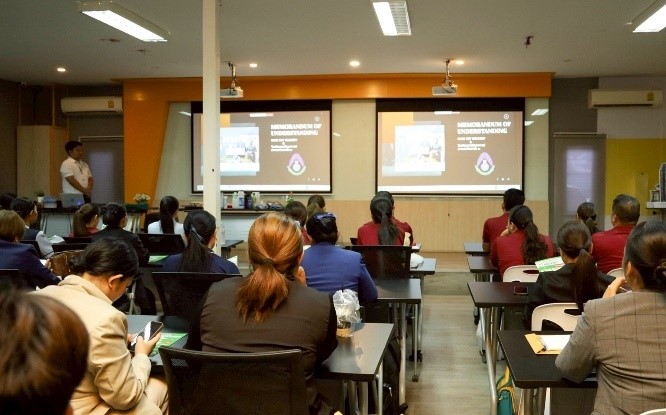
The Company places great importance on continuously raising environmental awareness and enhancing employees’ knowledge of environmental management. Training programs and internal communication activities are regularly conducted to promote the efficient use of resources, waste reduction, waste segregation, and environmentally responsible practices. These initiatives encourage employees to actively participate in environmental stewardship and contribute to driving the organization toward sustainable growth.
In 2025, participation in environmental management training programs reached 100% of the targeted employee group.
The Company prepares its sustainability report and discloses sustainability-related information in accordance with the Global Reporting Initiative (GRI Standards), providing a structured and comparable approach to sustainability reporting. The Company applies the relevant GRI Standards to disclose information on material sustainability topics, corporate governance, and impacts arising from its business operations.