
 ไทย
ไทย
Goal

The Company recognizes that its people are the key driving force behind sustainable organizational success, particularly in an era where technology and consumer behavior are rapidly evolving. Therefore, the Company focuses on developing employee capabilities alongside building a strong corporate culture that encourages engagement and enables employees at all levels to fully express their creativity.
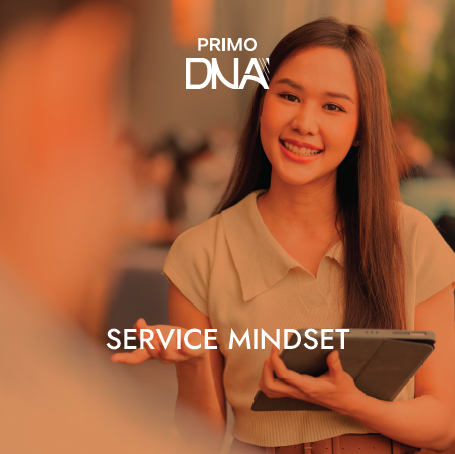
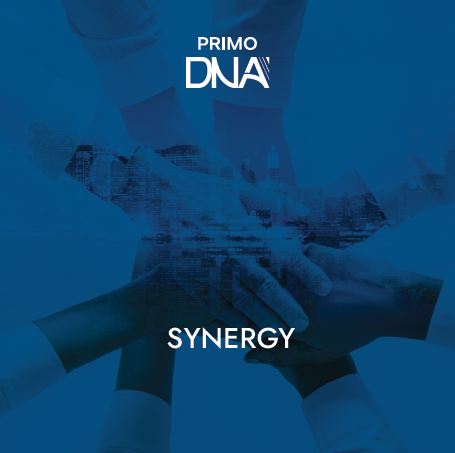
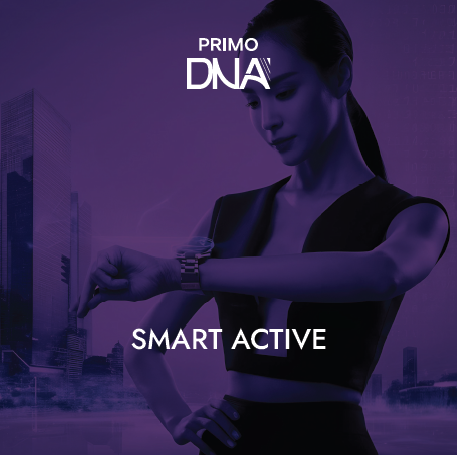
In 2025, the Company established the PRI DNA, a corporate culture that emphasizes teamwork, continuous development, creativity, and readiness to adapt to change. Through this culture, employees are encouraged to share ideas and expertise, generate new concepts, and effectively overcome challenges.
The Company recognizes the importance of preventing human rights violations in human resource management, as human rights are fundamental rights that everyone should equally enjoy. The Company strictly complies with all applicable labor laws and regulations related to employment and employee treatment and also considers issues that could potentially lead to human rights violations. For example, there are no gender restrictions in recruitment; instead, candidates are evaluated primarily based on their competencies and suitability for the position. The Company has clearly established and communicated a Human Rights Policy and developed procedures for assessing human rights risks and impacts. These procedures aim to identify preventive measures and mitigate potential risks related to human rights throughout the Company’s operations and across the entire value chain.
In 2025, the number of complaints related to discrimination was 0 cases, and the number of complaints related to sexual harassment was also 0 cases.
The Company places importance on promoting diversity, equality, and non-discrimination in the workplace. The Company applies recruitment and selection criteria based on qualifications, knowledge, skills, experience, and suitability for the position, while providing equal opportunities for employment, development, and career advancement without discrimination based on race, religion, gender, age, sexual orientation, disability, or nationality.
Diversity and Non-Discrimination Aspect | Company’s Approach and Actions |
Race | The Company applies recruitment and selection criteria based on qualifications, knowledge, skills, and relevant experience, without discrimination based on race. The Company also promotes equal opportunities for employees of all races to participate in training, skills development, and career advancement. |
Religion | The Company respects religious diversity and treats employees equally without using religion as a criterion in recruitment, employment, performance evaluation, capability development, or promotion. Employees are permitted to observe their religious practices in accordance with workplace rules and the appropriateness of the workplace environment. |
Gender | The Company promotes gender equality by providing equal opportunities in employment, training, skills development, and career advancement regardless of gender. The Company also monitors the workforce structure by gender to support workforce planning and the development of human resource policies. |
Age | The Company considers qualifications, knowledge, skills, experience, and suitability for the position in employment and career advancement decisions, without discrimination based on age. The Company also monitors the workforce structure by age group to support workforce planning and employee development in line with organisational needs. |
Sexual Orientation | The Company promotes a workplace environment that respects diversity and prohibits discrimination based on sexual orientation. Bullying, harassment, and inappropriate conduct against employees based on sexual orientation are prohibited. Employees and relevant stakeholders may report complaints or concerns through the channels provided by the Company. The Company places importance on maintaining the confidentiality of reported information and protecting complainants from retaliation. |
Disabilities | The Company promotes employment opportunities and the participation of persons with disabilities in the workplace. In 2025, the Company employed 9 persons with disabilities to support self-reliance, income generation, skills development, and dignified living. The Company also promotes equal treatment and non-discrimination against employees with disabilities. |
Nationality | The Company treats employees equally without discrimination based on nationality and places importance on respecting labour rights and fair employment practices. The Company promotes awareness and understanding of the rights of migrant workers and responsible labour practices through training or knowledge-sharing activities in collaboration with relevant external organisations. |
The Company prohibits all forms of bullying, harassment, intimidation, discrimination, and other inappropriate conduct in the workplace. Employees and other relevant stakeholders may report suspected or actual cases of bullying or harassment through the Company’s complaint and whistleblowing channels.
The Company maintains confidential reporting and complaint-handling procedures to protect the confidentiality of the reporting person and the information provided. Information relating to complaints or whistleblowing reports is treated as confidential and is disclosed only to authorised persons and only to the extent necessary to assess, investigate, and address the reported matter. The Company also takes appropriate measures to protect reporting persons and related persons from potential retaliation or adverse consequences arising from making a report in good faith.

In 2025, there were no complaints related to discrimination or sexual harassment.
Zero complaints related to discrimination and sexual harassment.Fair Labor Practices in 2025


Average Training Hours per Employee

Recruitment and Selection
The Company places great importance on its recruitment and selection process, guided by five key principles of human resource recruitment:
The Company emphasizes establishing a recruitment and selection process that is fair, transparent, and systematic. The process is based on the principles of equality and non-discrimination, regardless of differences in age, gender, race, religion, or skin color. This approach aims to ensure that the Company recruits capable individuals who are well suited to their roles and able to grow sustainably together with the organization.
The Company’s recruitment process is designed to comprehensively assess candidates in terms of knowledge, skills, and attitudes. Each position includes specific competency assessments relevant to the job requirements. For example, foreign language proficiency tests are conducted for positions that require communication with international clients, while presentation skills assessments are conducted for sales-related roles.
The Company has established clear interview standards and guidelines to prevent decisions influenced by personal feelings, bias, or prejudice. Standardized evaluation forms are used to assess candidates across multiple dimensions, including knowledge, experience, skills, and attitudes. Each interview is conducted by an interview panel consisting of more than one supervisor from the relevant departments to ensure a well-rounded and fair evaluation. Furthermore, clearly defined individual evaluation criteria are applied during the recruitment interview process to enable transparent and fair comparisons among candidates. Each assessment involves more than one relevant department head to support the final hiring decision for each applicant.
The Company places strong emphasis on equality and respect for human dignity. All forms of illegal labor are strictly prohibited, and employment practices are conducted transparently and in full compliance with labor laws. This includes probation assessments, working hours, employee benefits, statutory leave, and other employment conditions. All employees are required to sign a formal employment contract upon commencement of employment.
The Company recognizes the importance of supporting young people in preparing for entry into the labor market. The Company provides internship opportunities for students at both higher education and vocational education levels, enabling them to gain practical work experience and develop skills relevant to their future careers.
In 2025, the Company provided internship opportunities to 75 students across 2 departments, namely the Property Management Department and the Engineering Department. The internship program enables students to apply their academic knowledge in a real-world working environment, develop professional and technical skills, and gain practical experience in workplace practices and collaboration with colleagues. These opportunities help prepare students for their future entry into the labor market.
In addition, the Company provides employment opportunities for recent graduates and new graduates through its recruitment and selection process, based on the qualifications and suitability required for each position. The Company aims to support recent graduates in starting their careers, gaining practical work experience, and continuously developing the knowledge and skills required for their professional development. This forms part of the Company’s commitment to supporting young people’s transition into the labor market and developing the potential of the next generation of its workforce.
Employment Information
In 2025, the Company employed a total of 1,363 permanent and temporary staff, comprising 733 female employees, representing 53.78%, and 630 male employees, representing 46.22%. Of the total workforce, 604 were temporary staff, representing 44.31% of the total workforce. Details are presented as follows:
Employment Level | 2023 | 2024 | 2025 | ||||||
Male (persons) | Female (persons) | Total(%) | Male (persons) | Female (persons) | Total(%) | Male (persons) | Female (persons) | Total(%) | |
Officer – Assistance Manager | 589 | 806 | 1,395 (90.41%) | 707 | 1,085 | 1,792 (92.51%) | 534 | 679 | 1,213 (89.00%) |
Manager – Senior Manager | 69 | 52 | 121 (7.84%) | 74 | 47 | 121 (6.25%) | 82 | 47 | 129 (9.46%) |
AVP - VP | 13 | 9 | 22 (1.43%) | 12 | 8 | 20 (1.03%) | 4 | 5 | 9 (0.66%) |
SVP - CEO | 5 | 0 | 5 (0.32%) | 4 | 0 | 4 (0.21%) | 10 | 2 | 12 (0.88%) |
Total | 676 | 867 | 1,543 (100%) | 797 | 1,140 | 1,937 (100%) | 630 | 733 | 1,363 (100%) |
Age Group | 2023 | 2024 | 2025 | ||||||
Male (%) | Female (%) | Total (%) | Male (%) | Female (%) | Total (%) | Male (%) | Female (%) | Total (%) | |
Under 30 years old | 225 (14.58%) | 267 (17.30%) | 492 (31.89%) | 255 (13.16%) | 285 (14.71%) | 540 (27.88%) | 174 (12.77%) | 184 (13.50%) | 358 (26.27%) |
30–50 years old | 392 (25.41%) | 462 (29.94%) | 854 (55.35%) | 431 (22.25%) | 548 (28.29%) | 979 (50.54%) | 330 (24.21%) | 399 (29.27%) | 729 (53.48%) |
Over 50 years old | 59 (3.82%) | 138 (8.94%) | 197 (12.77%) | 111 (5.73%) | 307 (15.84%) | 418 (21.58%) | 126 (9.24%) | 150 (11.01) | 276 (20.25%) |
Total | 676 (43.81%) | 867 (56.19%) | 1,543 (100%) | 797 (41.15%) | 1,140 (58.85%) | 1,937 (100%) | 630 (46.22%) | 733 (53.78%) | 1,363 (100%) |
The Company places importance on promoting and supporting the quality of life of disadvantaged groups, particularly persons with disabilities in Thai society. Currently, the Company employs 9 persons with disabilities. This initiative aims to promote opportunities for skill development and employment among persons with disabilities, enabling them to achieve self-reliance, generate income, and live with dignity. It also helps reduce the caregiving burden on families and society while encouraging the participation of persons with disabilities in the country’s economic development. In addition, the initiative contributes to fostering an inclusive and equitable society that provides opportunities for all.
The Company has established a comprehensive and fair compensation management policy. The compensation system is designed to attract, retain, and motivate employees to perform at their full potential. The Company’s compensation structure consists of three main components: direct monetary compensation, indirect monetary compensation, and non-monetary compensation.
The Company has established a Welfare Committee in the Workplace, consisting of 10 representatives, to represent employees in consultations regarding employee welfare. The committee is responsible for discussing, overseeing, and proposing suggestions on employee welfare matters to senior management. This mechanism helps strengthen positive relationships and mutual understanding between employers and employees in improving welfare programs and workplace conditions, while also enhancing employee morale and work efficiency.
In 2025, the Company paid a total of THB 650,405,810.51 in employee compensation. Details are as follows:
Compensation Type | Amount (Baht) |
Salary | 543,409,830.52 |
Commission and Incentives | 26,761,524.08 |
Provident Fund Contributions | 6,247,996.31 |
Benefits and Others | 73,986,459.60 |
Total Compensation | 650,405,810.51 |
Male-to-Female Salary and Compensation Ratio | 2566 | 2567 | 2568 | |||
Male | Female | Male | Female | Male | Female | |
Bangkok and Metropolitan Area | 31% | 32% | 32% | 36% | 35% | 46% |
Provincial Areas | 13% | 24% | 9% | 22% | 6% | 13% |
In addition, the Company provides a Provident Fund for employees to promote savings and financial security for employees and their families, while also offering tax benefits. Participation in the fund is voluntary, and employees may select their preferred investment plan. The Company contributes to each employee’s fund based on the employee’s length of service. In 2025, 179 employees participated in the Provident Fund, representing 15.66% of the workforce.
The Company respects labour rights and promotes fair employment practices by establishing measures to prevent and address key labour-related issues. These measures cover the prevention of child labour and forced labour, employee representation and participation, working hours management, and the promotion of fair and adequate remuneration that supports employees’ well-being. The Company’s key actions are as follows:
Labour Issue | Key Actions | Evidence / KPI |
Child Labour | The Company does not tolerate child labour and is committed to complying with applicable laws and minimum age requirements for employment. Age and relevant employment documents are verified as part of the recruitment and onboarding process. | 100% of new hires undergo age and employment document verification. |
Forced Labour | The Company does not tolerate forced labour, including labour involving threats, coercion, or restrictions on freedom. The Company promotes voluntary and fair employment practices and applies relevant principles to its operations and relationships with business partners and relevant parties throughout the value chain. | Human Rights and Labour Policies and Practices, together with relevant human resources management processes. |
Employee Representatives | The Company promotes employee participation in providing feedback and recommendations through the Welfare Committee, which serves as a channel for communication and consultation between employee representatives and management. | 10 employee representatives serve on the Welfare Committee, with meetings held with management and meeting records maintained. |
Excessive Working Hours | The Company monitors and manages working hours and overtime (OT) to ensure compliance with applicable laws, regulations, and Company requirements, while promoting appropriate and balanced working hours. | Monitoring of employees’ working hours and overtime, together with periodic review of overtime trends to determine appropriate measures. |
Living Wage | The Company places importance on fair and appropriate remuneration by considering wages and compensation in accordance with applicable labour laws, minimum wage requirements, and relevant factors, while promoting fair remuneration practices for employees. | Assessment of wages against applicable minimum wage rates and/or a Living Wage Benchmark, including the percentage of employees covered by the assessment. |
The Company has established guidelines to strengthen employee engagement and retention to support sustainable business growth. The Company focuses on improving work performance and implementing compensation policies that motivate employees. Salary structures and employee benefits are designed to reflect employee performance and capabilities, with annual salary adjustments aligned with employees’ skills, performance evaluations based on KPIs, and the Company’s overall business performance.
In addition, the Company conducts an Employee Engagement Survey at least once every two years to serve as a channel to communicate with employees and to better understand areas that require improvement. It also supports organizational development in areas such as participation, pride in the organization, career advancement, and compensation.
In 2025, the employee satisfaction and engagement survey achieved a score of 78.43%.
Survey results indicated that employees would like the Company to further enhance skill development programs across all job positions to create greater career advancement opportunities. The Company has therefore set a Goal for 2026 to increase employee happiness and engagement levels to over 90%.
In 2025, the Company recorded 362 voluntary employee resignations (Turnover Rate), representing 26.56% of the total workforce. Of these, 202 were male employees, accounting for 14.82%, and 162 were female employees, accounting for 11.86%.
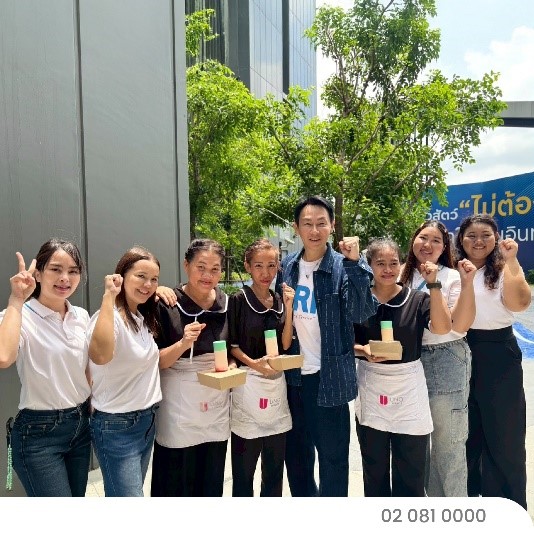
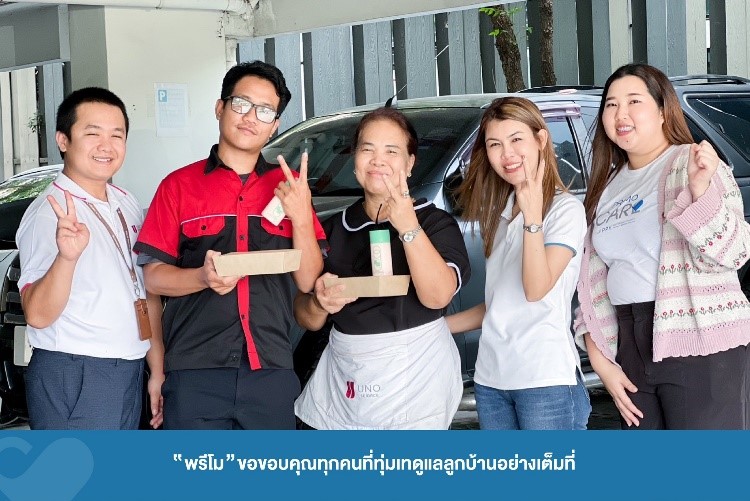
The Company places great importance on strengthening engagement between the organization and its employees. Through the Happy Maker initiative, activities are organized to deliver encouragement and foster a positive working atmosphere for employees assigned to juristic person management projects. Company executives also visit project sites to meet with employees and present Box Sets as a gesture of appreciation and encouragement for their dedication and hard work in performing their duties on site. These activities help strengthen positive relationships and reinforce employees’ sense of belonging to the organization.
The Company promotes employee training and development to enhance the capabilities and potential of employees across all groups, enabling them to perform their duties effectively and achieve shared objectives for both the organization and its employees.
In 2025, the Company established guidelines for employee capability development and encouraged continuous training programs. These initiatives focus on strengthening work-related skills, systematic problem-solving abilities, and effective communication skills to ensure employees can collaborate efficiently with others.
The Company’s training programs are categorized into three main types:
Training Category | Course Topics |
Mandatory Training | • New Employee Orientation • General Safety Training for Employees and New Employees • Firefighting and Fire Evacuation Training |
Specialized Skills Training | • Skill Development for Modern Office Employees • Pet Services Training • Housekeeping Skills Development: Service Mind and Work Standards • Cleaning Techniques Training • Safety Officer Training (Executive Level) • Cleaning Chemical Usage Training • Sales Skills Development |
General Training | • Personality Development • AI Tools Training • Waste Segregation Training |
In 2025, the Company organized 13 training programs covering professional development, workplace safety, and operational efficiency. Each course had an average training duration of 8 hours, and multiple sessions were conducted to ensure broad employee participation.
The Company delivered a total of 25,020 training hours, representing an average of 20 training hours per employee per year (achieving the training goal of 6 hours per employee per year).
Pet Services Training Program – The Company collaborated with Thonglor Pet Hospital to provide training for juristic person officers and staff working in Pet-Friendly projects. The program aims to establish service standards by equipping employees with specialized knowledge, understanding, and skills required to effectively serve residents who own pets. Employees who complete this training program receive a special badge to symbolize their expertise in providing services for Pet-Friendly projects.

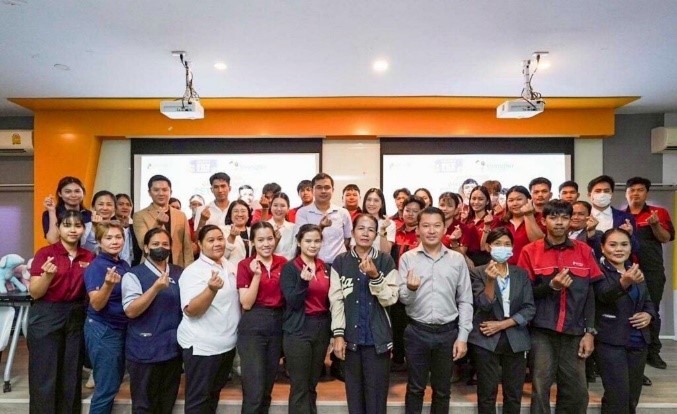
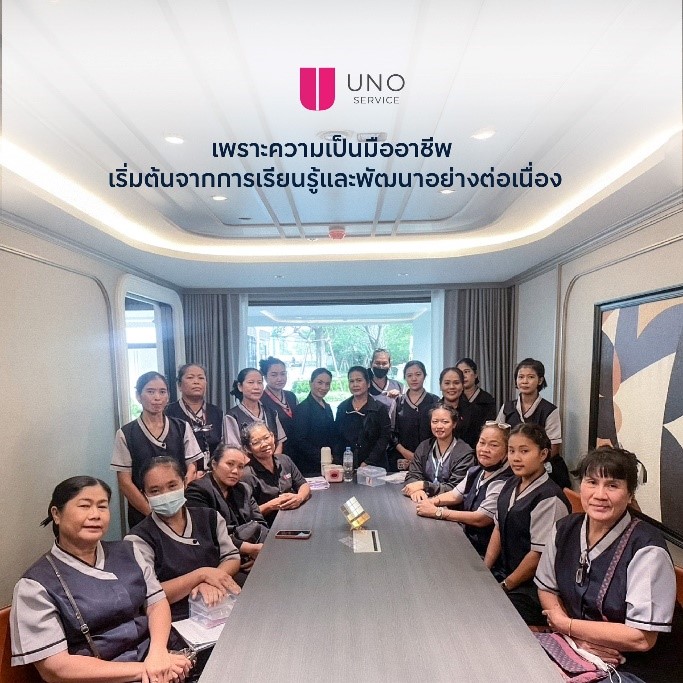
Housekeeping Skill Development Program: Service Mind and Work Standards – The Company continuously organizes training programs to enhance the capabilities of project housekeeping staff. These programs emphasize cultivating a strong “Service Mind”, encouraging employees to provide services with enthusiasm and friendliness. The training also aims to elevate work standards in terms of technical knowledge and proper cleaning procedures to ensure comprehensive and efficient operations. This contributes to maintaining high-quality residential environments and creating lasting positive impressions for residents.
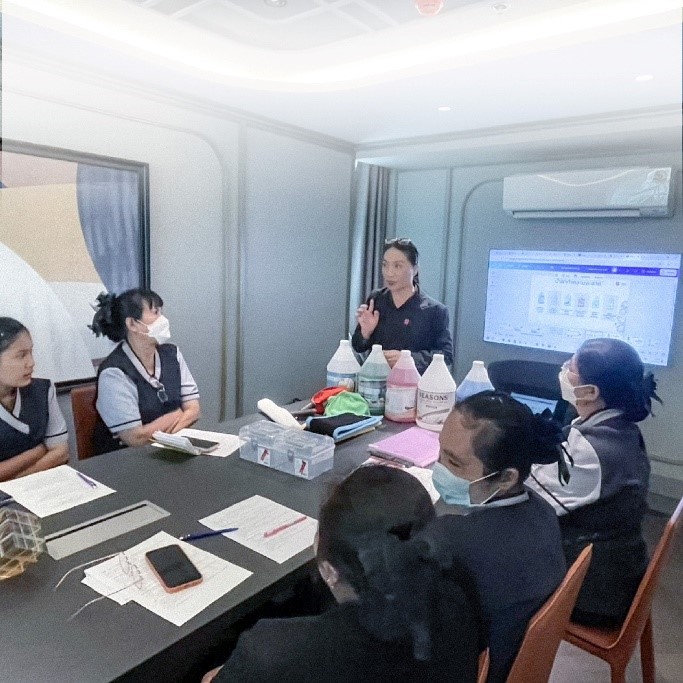
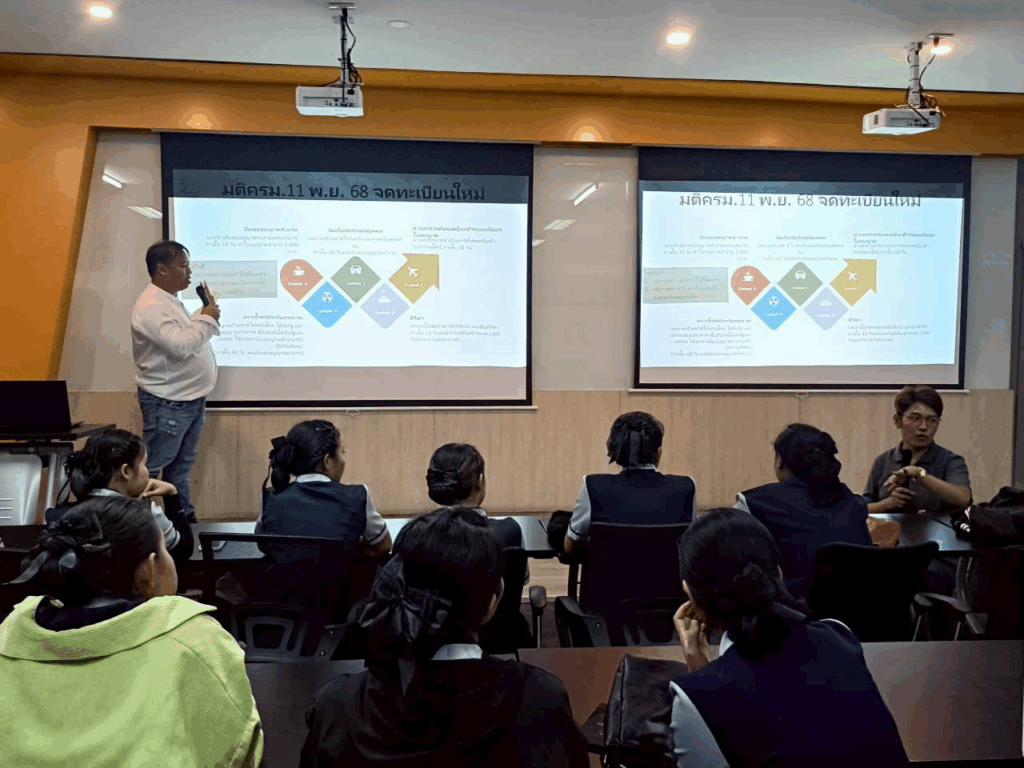
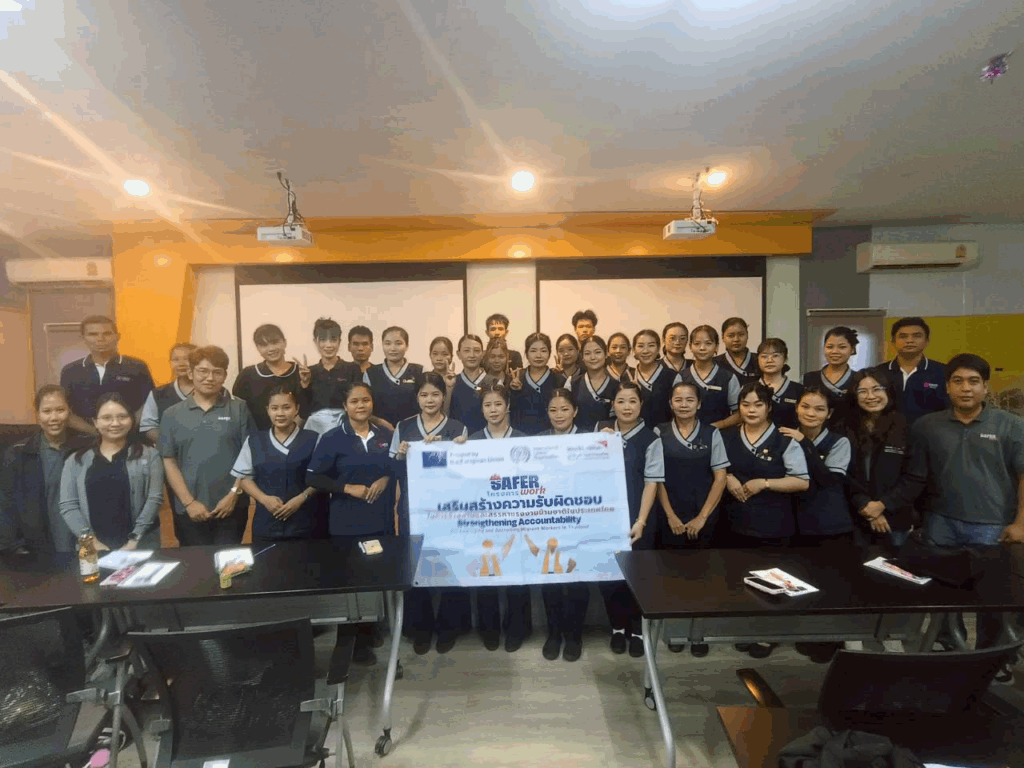
In addition, the Company is committed to promoting the quality of life and equal treatment of employees across all groups, with particular emphasis on protecting the rights of migrant workers and promoting responsible labour practices. Accordingly, the Company has collaborated with the World Vision Foundation of Thailand and its relevant offices, external organisations that play a role in promoting and protecting rights and improving the quality of life of workers and vulnerable groups, to exchange knowledge and appropriate practices relating to labour rights and responsible employment practices.
This collaboration includes specialised training and workshops for migrant workers covering migrant workers’ rights, responsible labour practices, occupational safety, the Company’s rules and requirements, as well as appropriate living and adaptation in Thai society. The activities aim to enhance migrant workers’ knowledge, awareness, and understanding of their rights and responsibilities, labour standards, and safe and responsible working practices.
In addition, the workshops conducted in collaboration with the World Vision Foundation provide the Company with opportunities to gain external perspectives and exchange knowledge on migrant workers’ rights and responsible labour practices. The knowledge and recommendations obtained through these engagements are applied to continuously improve the Company’s approach to labour management and the working environment. The Company also promotes communication and mutual understanding among employees with diverse linguistic and cultural backgrounds, with the aim of fostering a working environment that respects rights, promotes fairness, and provides equal opportunities for all employees.